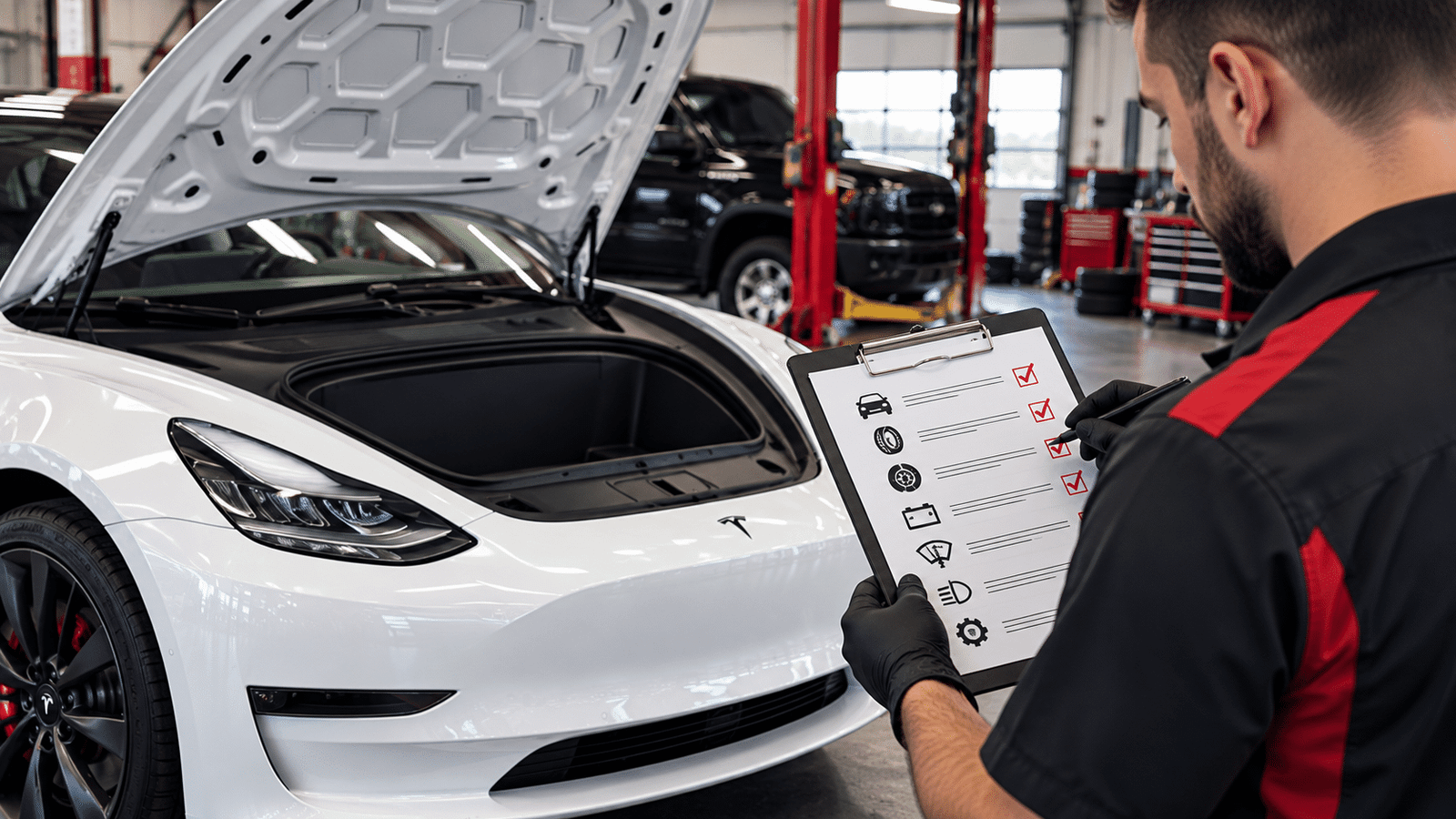
A routine inspection can reveal small problems before they become expensive repairs or roadside breakdowns. A practical vehicle inspection checklist gives drivers a consistent way to check safety-critical components, from tires and brakes to fluids, lights, and warning signals. A car inspection checklist is useful before a long trip, after a vehicle has been sitting unused, or whenever something feels different behind the wheel. While basic checks are valuable, they cannot replace professional diagnostics. Patriot Express helps drivers identify underlying vehicle issues through professional inspections and diagnostics when a closer look is needed.
Why Should You Use a Vehicle Inspection Checklist?
Vehicles often give subtle warnings before a component fails. Following a vehicle safety inspection checklist helps drivers notice changes that might otherwise be overlooked, while a consistent vehicle maintenance checklist makes routine checks easier to remember.
- Catch problems early: Low tire pressure, worn brakes, fluid leaks, and weak batteries can become more serious when ignored.
- Improve safety: Checking tires, brakes, lights, steering, and visibility-related equipment helps keep essential systems in good condition.
- Reduce breakdown risks: Regular checks can reveal developing problems before they leave you stranded.
- Maintain performance: Fluid levels, tire condition, battery health, and warning lights can all provide clues about vehicle condition.
- Know when to seek help: A basic inspection has limits. Warning lights, unusual noises, leaks, vibration, or changes in performance warrant professional attention.
Quick Inspection Tip: If you notice warning lights, unusual noises, fluid leaks, vibration, or changes in vehicle performance, a professional inspection can help identify the cause.
Vehicle Inspection Checklist: 15 Things To Check
A thorough vehicle inspection checklist should move beyond a quick glance at the dashboard. Tires, brakes, fluids, battery, lights, steering, suspension, and other systems all contribute to safe and reliable driving. Use this automotive inspection checklist to spot visible warning signs and know when a professional inspection is warranted.
1. Check Tire Pressure and Condition
Check each tire for the recommended pressure, uneven tread wear, cracks, bulges, or visible damage. Don’t overlook the spare if your vehicle has one. If the TPMS warning light is on or pressure keeps dropping, TPMS service can help identify the underlying issue.
2. Inspect Brake Performance
Pay attention to brake pad condition, unusual grinding or squealing, changes in brake pedal feel, and brake warning lights. A soft pedal, vibration, or unusual noise deserves further attention. If braking performance has changed, brake repair can help identify worn or damaged components.
3. Check Engine Oil and Other Fluids
Check engine oil, coolant, brake fluid, transmission fluid, and windshield washer fluid according to your vehicle manufacturer’s recommendations. Low levels, unusual fluid appearance, or visible leaks can indicate a developing problem. Brake fluid that is low or due for service may require a brake fluid flush.
4. Inspect Battery Health
Look at the battery terminals for corrosion and check for signs of a weak battery, including slow starting or repeated starting problems. A professional battery check can determine whether the battery is holding a proper charge and whether its condition warrants replacement.
5. Test Exterior Lights
Test the headlights, brake lights, turn signals, hazard lights, and tail lights. Replace failed bulbs promptly and make sure lenses are clean enough to provide proper visibility.
6. Check Windshield and Wipers
Look for windshield cracks or chips and inspect the wiper blades for wear, splitting, or poor contact with the glass. Test the washer system as well. Clear visibility is essential, particularly during rain or other poor-weather conditions.
7. Inspect Belts and Hoses
Check accessible belts and hoses for visible cracks, leaks, fraying, or other signs of deterioration. These components can affect critical engine systems, so unusual wear should be investigated rather than ignored.
8. Check Steering and Suspension
Notice whether the vehicle pulls to one side, bounces excessively, vibrates through the steering wheel, or produces unusual suspension noises. These symptoms can point to steering, suspension, tire, or alignment concerns that require professional diagnosis.
9. Review Dashboard Warning Lights
Never dismiss warning lights simply because the vehicle still drives normally. Check engine, ABS, battery, and oil pressure warning lights can indicate problems that need prompt attention.
10. Check Transmission Performance
Pay attention to delayed shifting, hard shifts, slipping gears, or transmission warning lights. Changes in shifting behavior can signal a transmission problem that should be diagnosed before further damage occurs.
11. Check Exhaust System
Listen for unusual exhaust noises and look for visible damage or signs of an exhaust leak. Changes in exhaust sound or visible deterioration can indicate an issue requiring inspection. Patriot Express also provides exhaust and emissions service when these concerns arise.
12. Inspect Safety Equipment
Make sure seat belts latch and retract correctly and that mirrors are secure and properly positioned. Check that your emergency kit and spare tire are present and ready to use if needed.
13. Check A/C and Defrost System
Test the A/C for adequate cooling and make sure the defrost system clears the windshield effectively. Poor defrost performance can become a visibility concern when conditions are cold, wet, or humid.
14. Listen For Unusual Sounds
Don’t ignore new grinding, knocking, squealing, or rattling sounds. The location and timing of a noise can provide useful clues about a developing mechanical problem.
15. Check For Fluid Leaks
Look beneath the vehicle for signs of oil, coolant, or transmission fluid. Fresh spots, recurring stains, or an unexplained drop in fluid level should be investigated before the leak causes additional damage.
Vehicle Inspection Checklist Table
Inspection Area | What To Check | Warning Signs |
Pressure, tread, damage | Low pressure, uneven wear | |
Pads, rotors, pedal feel | Noise, vibration | |
Fluids | Oil, coolant, brake fluid | Leaks, low levels |
Battery | Terminals, corrosion | Slow starting |
Shifting performance | Delayed shifting, slipping |
This vehicle safety inspection checklist is useful for routine driver checks, but visible symptoms don’t always reveal the underlying problem. When a warning light, unusual noise, leak, or change in vehicle behavior persists, a professional inspection can provide a more complete diagnosis.
Warning Signs Your Vehicle Needs a Professional Inspection
A basic check can catch visible problems, but some faults require equipment and hands-on diagnosis. These signs mean your vehicle inspection should go beyond a driveway check:
- Check engine light: A warning light may indicate anything from an emissions issue to a mechanical fault, so the underlying code needs to be diagnosed.
- Brake or ABS warning light: These warnings can point to problems affecting braking performance and should not be ignored.
- Battery warning light: This can indicate a charging-system problem rather than simply an aging battery.
- Fluid leaks: Oil, coolant, brake fluid, or transmission fluid beneath the vehicle deserve professional attention.
- Unusual vibration: Steering-wheel or vehicle vibration may be associated with tires, brakes, suspension, or other components.
- Steering issues: Pulling, wandering, or unusual steering effort can indicate an alignment or suspension concern.
- Transmission problems: Slipping, delayed engagement, or harsh shifting warrants diagnosis before the condition worsens.
- Electrical issues: Intermittent starting, malfunctioning accessories, or recurring electrical faults can be difficult to identify through a visual vehicle safety check alone.
DIY Vehicle Check vs Professional Vehicle Inspection: What’s The Difference?
A driver’s inspection is useful for spotting obvious changes, but it has clear limits. A practical automotive inspection checklist can guide routine checks, while professional vehicle inspection work can uncover problems that require specialized equipment or deeper testing.
Checks Drivers Can Perform
- Tire pressure and visible tire condition
- Fluid levels
- Exterior lights
- Windshield and wipers
- Visible signs of fluid leaks
Checks Best Left To Professionals
- Brake components and hydraulic systems
- Electrical faults and charging-system problems
- Diagnostic trouble codes
- Transmission concerns
- Suspension and steering problems
The distinction matters because many vehicle problems aren’t visible from the outside. A brake component can be worn without an obvious visual clue, while an electronic fault may require diagnostic equipment to identify its source. Professional inspection can connect symptoms with their underlying cause, helping determine whether a component needs repair, adjustment, replacement, or continued monitoring.
Get A Professional Vehicle Inspection In Plano, TX
For drivers who want more than a basic driveway check, Patriot Express Tire & Oil provides professional inspections to help identify developing vehicle problems. ASE-certified technicians can use digital vehicle inspections and advanced diagnostics alongside hands-on checks of key systems.
Services can include:
- Brake and tire inspections
- Fluid checks
- Battery testing
- Diagnostic testing
- Maintenance recommendations
Patriot Express Tire & Oil serves Plano and surrounding DFW communities, giving local drivers a practical option when they need vehicle inspection Plano TX services. If you’re searching for vehicle inspection near me or dependable auto repair Plano, TX, a professional inspection can help clarify what your vehicle actually needs.
Conclusion
A regular inspection can help you spot developing problems before they become costly repairs or unexpected breakdowns. Keep this vehicle inspection checklist handy for routine checks, pay attention to warning lights and unusual vehicle behavior, and don’t postpone professional attention when something seems wrong. A basic check is useful, but trained technicians can identify issues that aren’t visible to the driver. Patriot Express Tire & Oil provides vehicle inspections, diagnostics, and repair services for drivers in Plano and surrounding communities.
Frequently Asked Questions
Can a Vehicle Inspection Help Before Buying a Used Car?
Yes, a professional vehicle inspection can help identify existing problems before purchasing a used car. A technician can check important components like brakes, tires, fluids, suspension, electrical systems, and other areas that may not be obvious during a test drive. This helps buyers make a more informed decision and avoid unexpected repair costs.
Does a Vehicle Inspection Include Computer Diagnostics?
Many modern vehicle inspections may include computer diagnostics to identify issues that cannot be found through a visual check alone. Diagnostic scanning can help detect stored trouble codes, electrical problems, sensor issues, and warning light-related concerns. This allows technicians to better understand the vehicle’s condition and recommend the right repairs.
Can Regular Vehicle Inspections Improve Vehicle Lifespan?
Regular vehicle inspections can help extend your vehicle’s lifespan by identifying wear, maintenance needs, and potential issues early. Addressing small problems before they become major repairs can help maintain vehicle performance, improve reliability, and prevent unexpected breakdowns caused by neglected components.
Can Warning Lights Turn Off But Still Indicate a Problem?
Yes, a warning light turning off does not always mean the issue has been completely resolved. Some vehicle problems occur intermittently and may not trigger a warning light continuously. A professional diagnostic check can help identify stored trouble codes and uncover underlying issues that may require attention.
How Much Does a Vehicle Inspection Cost in Plano, TX?
The cost of a vehicle inspection in Plano, TX can vary depending on the type of inspection, vehicle condition, and whether additional diagnostic testing is needed. A basic inspection may differ from a detailed diagnostic evaluation. Contact Patriot Express Auto for accurate pricing based on your vehicle’s specific needs.