
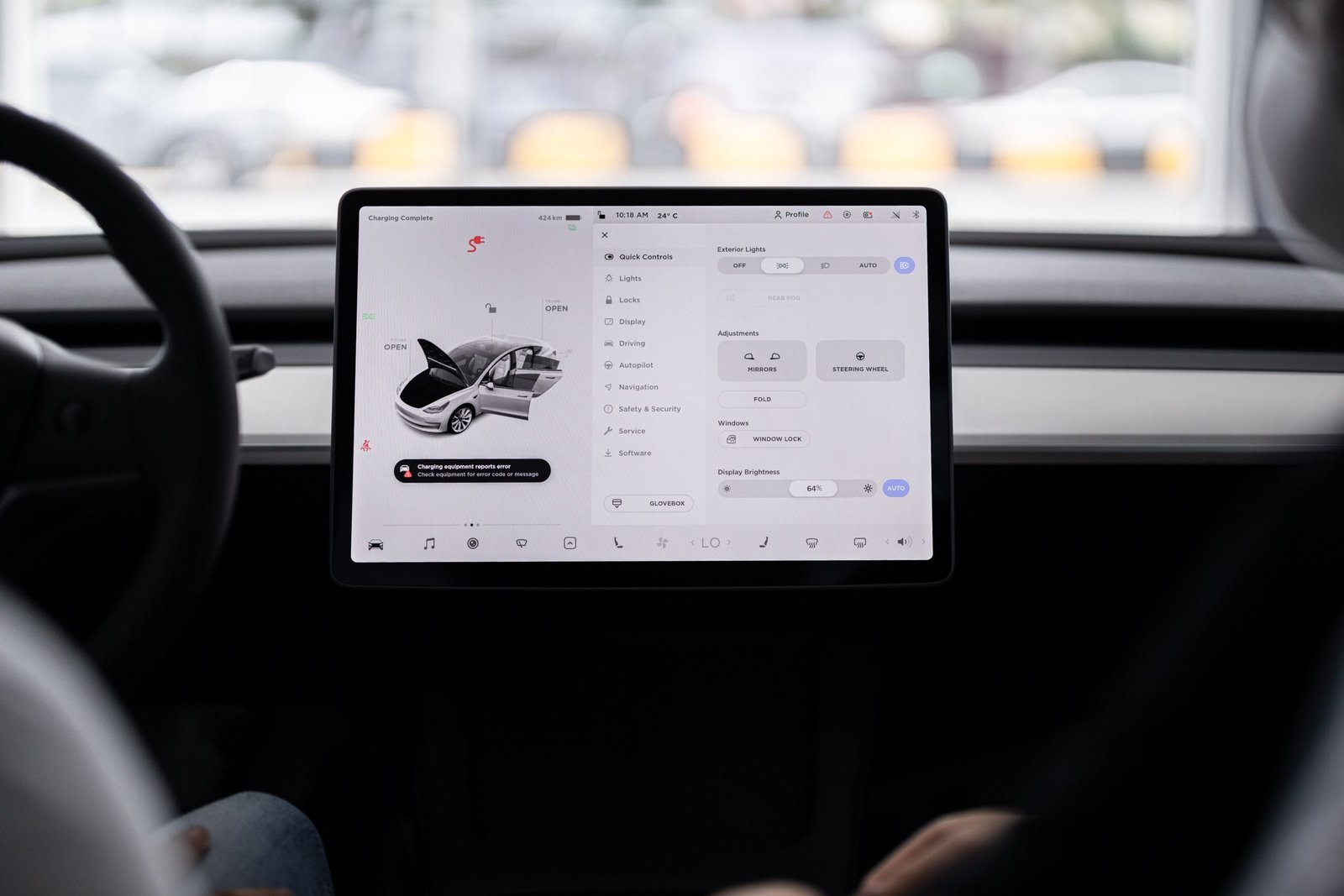
One of the few complaints that regularly appears in Tesla owner forums has nothing to do with batteries, charging, or software updates. It is the unmistakable Tesla rattling noise that seems to appear out of nowhere. Sometimes it is a faint buzz from the dashboard. Other times it sounds like something loose inside a door or around the suspension. Though harmless, they can quickly become frustrating, especially in a vehicle as quiet as the Tesla Model 3.
Unlike petrol-powered cars, electric vehicles do not have an engine masking small vibrations. Some rattles originate from interior trim, while others may point to worn suspension components that deserve immediate attention.
The key is identifying where the sound is coming from before replacing parts unnecessarily. Some issues can be solved with simple DIY fixes, while others require professional diagnosis at a Tesla service center or an experienced independent repair shop.
Why does your Tesla Model 3 make rattling noises?
One reason owners notice a Tesla making noise when driving is that electric vehicles are remarkably quiet. Without the constant hum of an engine, even the smallest vibration inside the cabin becomes much easier to hear.
The Model 3’s rigid body structure also plays a role. Its suspension and chassis are designed to deliver responsive handling, but they can also transmit road vibrations more directly into the cabin. As a result, loose trim panels, clips, or interior components may begin producing noises that seem louder than they actually are.
Several factors can contribute to rattling over time:
- Seasonal temperature changes causing interior panels to expand and contract
- Rough roads gradually loosening clips, fasteners, or trim pieces
- Normal wear after several thousand miles of driving
- Small vibrations becoming more noticeable because there is no engine noise to mask them
Not every rattle points to a serious mechanical problem. Interior trim noises are relatively common and are often inexpensive to fix. However, if you hear persistent suspension noise, wheel rattling, or noises that become more noticeable over bumps or while turning, it may indicate worn suspension components rather than loose interior panels.
If that happens, scheduling regular wheel and suspension inspections can help identify worn control arms, bushings, sway bar links, or other suspension components before they lead to more extensive repairs. Patriot Express Tire & Oil offers comprehensive wheel and suspension inspections to diagnose these issues accurately and keep your Tesla driving smoothly.
Common Tesla rattling noises and how to fix them
A Tesla rattling noise rarely has a single cause. In fact, different sounds often point to completely different components. Some can be resolved in minutes with simple adjustments, while others require professional attention.
| Location | Possible cause | Recommended solution |
| Dashboard or centre console | Loose trim, speaker grille, windshield contact | Add felt tape or foam padding, tighten loose clips |
| Door panels | Loose retaining clips, speaker vibration, window regulator movement | Perform a door panel rattle fix by securing clips and adding padding where panels contact each other |
| Rear seats and parcel shelf | Folding seat latches, brackets, loose trim | Inspect seat latches, replace worn clips, install adhesive felt pads |
| Wheel or suspension area | Worn bushings, sway bar links, control arms | Schedule wheel repair services and a wheel alignment service if suspension wear is suspected |
| Speakers and accessories | Plastic vibration, phone mounts, charging accessories | Tighten mounting hardware and isolate plastic contact points with foam tape |
Once you know the likely location, narrowing down the exact source becomes much easier.
Dashboard and centre console rattles
Dashboard noises often appear as light tapping or buzzing over rough roads.
Try the following:
- Press gently on different trim panels while driving slowly on a rough road
- Check whether the sound changes when pressure is applied
- Apply automotive felt tape behind loose trim pieces if movement is detected
- Tighten any accessible fasteners around the centre console
Door panel rattles
Many owners notice Tesla door lock latches are loud or experience vibration inside the doors.
To identify the problem:
- Open and close the door several times while listening carefully
- Inspect speaker areas for vibration
- Check whether the sound changes when the window is partially lowered
- Add foam padding around loose retaining clips where appropriate
A proper door panel rattle fix often solves these noises without replacing expensive parts.
Rear seat and interior trim rattles
Rear cabin rattles usually become noticeable over speed bumps.
Inspect:
- Folding seat locking mechanisms
- Parcel shelf trim
- Rear seat brackets
- Loose interior clips
Replacing inexpensive retaining clips often eliminates persistent rattles.
Suspension and wheel area rattles
This is one area that should never be ignored.
If you hear rattling over bumps, especially from underneath the vehicle, inspect for:
- Worn sway bar links
- Loose control arms
- Damaged suspension bushings
- Developing wheel rattling
These issues affect more than comfort. They can eventually compromise handling and should be professionally diagnosed.
While a visual inspection may reveal obvious damage, many suspension issues require a closer look to pinpoint the exact source. Scheduling professional wheel repair services can help identify worn or damaged components before they affect handling or safety. If repairs involve suspension or steering parts, it is also a good idea to follow up with a wheel alignment service to restore proper alignment, improve ride quality, and help prevent uneven tire wear.
Speaker and accessory rattles
Sometimes the culprit is surprisingly simple.
Check for:
- Loose speaker grilles
- Phone holders
- Charging accessories
- Sunglasses or small objects inside storage compartments
These small vibrations often disappear once loose items are secured.
How to diagnose a Tesla Model 3 rattling noise step by step
Finding the exact source of a rattle is often more challenging than fixing it. A systematic approach saves time and prevents unnecessary repairs.
Start with the easiest checks
- Remove loose items from cup holders, door pockets, and the centre console
- Empty the glove box and storage compartments
- Check sunglasses, charging cables, and accessories
Test the vehicle on different roads
- Drive on smooth pavement
- Repeat the test over rough roads
- Listen for changes while accelerating, braking, and turning
Use a passenger to help
- Ask a passenger to lightly press on suspected trim panels
- Note whether the sound changes or disappears
- Narrow the location before removing any interior panels
Record the noise
- Use your phone to record the sound
- Capture different driving conditions
- Record whether the noise occurs during turns, braking, or rattling over bumps
Inspect suspension components
If the sound appears to come from beneath the vehicle:
- Look for uneven tire wear
- Check for leaking suspension components
- Listen for clunks rather than light rattles
- Schedule a professional inspection if the noise continues
Taking these steps before visiting a repair facility makes diagnosis faster and helps technicians identify the issue more accurately.
When professional inspection is needed for Tesla rattling noises
While many interior rattles can be resolved with simple adjustments, some noises deserve immediate attention. If the Tesla rattling noise persists after basic troubleshooting or becomes more noticeable over time, it may point to an underlying mechanical issue that requires expert diagnosis.
Consider scheduling professional inspection if you notice:
- Persistent suspension noise or wheel rattling that does not improve
- Clunking sounds when driving over bumps, braking, or turning
- Steering wheel vibration or changes in vehicle handling
- Uneven tire wear alongside the rattling noise
- Loose structural components or interior rattles that continue after DIY fixes
Before your appointment, a little preparation can make diagnosis much easier.
- Record a short video or audio clip of the noise
- Note the driving conditions where it occurs, such as low speeds, rough roads, or while turning
- Mention any recent repairs, tire replacements, or suspension work
- Keep track of whether the sound has become louder or more frequent
During the inspection, technicians will typically examine the suspension, steering, wheels, brakes, and interior trim to identify the exact source of the noise. Catching the problem early can prevent unnecessary wear, reduce repair costs, and ensure your Tesla continues to deliver the smooth driving experience it was designed for.
Conclusion
A Tesla rattling noise can range from a harmless interior buzz to an early sign of suspension wear. In many cases, the source is surprisingly simple, such as a loose dashboard panel, a vibrating door clip, or an unsecured rear seat latch. Other noises, particularly rattling over bumps or wheel rattling, deserve quicker attention because they may indicate worn suspension components.
The key is resisting the temptation to guess. A systematic inspection helps pinpoint the source, saving both time and unnecessary repair costs.
If your Model 3 continues making unusual noises after basic troubleshooting, schedule a professional inspection with Patriot Express Tire & Oil. Our ASE-certified technicians can identify the source of the noise and recommend the right repair.
Frequently asked questions
Why is my Tesla Model 3 making a rattling noise?
A Tesla rattling noise can come from several different areas, including the dashboard, door panels, rear seats, speakers, or suspension. While many interior rattles are caused by loose trim or clips, noises coming from underneath the vehicle may indicate suspension wear or other mechanical issues that should be inspected.
How do I stop my Tesla Model 3 dashboard from rattling?
Start by identifying exactly where the sound is coming from. Gently press different dashboard panels while driving over a rough surface to see if the noise changes. If a loose trim panel is the cause, automotive felt tape or foam padding can often eliminate the vibration. Persistent dashboard rattles may require professional adjustment of interior components.
Why does my Tesla Model 3 rattle over bumps?
Rattling over bumps can be caused by both interior and suspension-related issues. Loose seat latches, door panels, or dashboard trim are common interior causes, while worn control arms, sway bar links, or bushings can create similar sounds underneath the vehicle. A professional inspection is recommended if the noise becomes louder or is accompanied by changes in handling.
Can Tesla Service fix interior rattles?
Yes. A Tesla service center can diagnose and repair many interior rattles, particularly if they involve factory-installed trim, dashboard components, or seat hardware. If the vehicle is no longer under warranty, an experienced independent Tesla repair shop can often perform the same repairs with specialized expertise.
Are Tesla Model 3 rattling noises covered under warranty?
Coverage depends on the source of the noise and your vehicle’s warranty status. Manufacturing defects involving interior trim or factory-installed components may be covered during the warranty period. Damage caused by normal wear, road impacts, or modifications may not qualify, so it’s always worth checking with Tesla before arranging repairs.
How much does it cost to fix a Tesla Model 3 rattling noise?
Repair costs vary depending on the cause. Minor interior rattles may only require inexpensive adjustments or replacement clips, while suspension repairs involving control arms, bushings, or other components can cost significantly more. A professional diagnosis is the best way to identify the problem accurately and avoid replacing parts unnecessarily.