
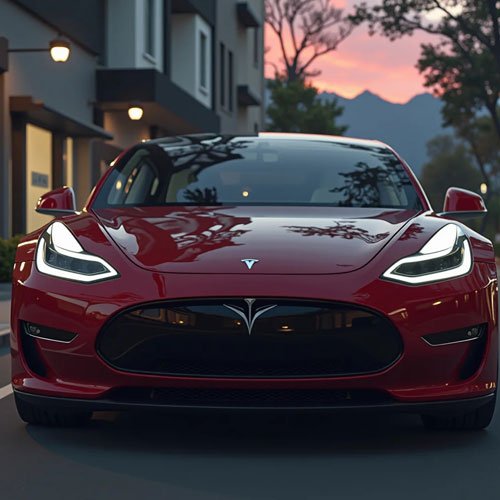
Photo Credit: © Tesla, Inc., 2025
If you’re searching for Tesla HEPA filter replacement in Plano & DFW, our certified technicians provide model-specific service for Model S, Model X, and Model Y vehicles. We also handle high-demand Tesla Model Y HEPA filter replacement cost inquiries and provide clear pricing before any work begins. With rising searches for Tesla Model 3 HEPA filter service, we inspect your specific trim to confirm whether it uses a standard cabin filter or a HEPA system.
Which Tesla Models Have HEPA Filters?
Keep the existing intro paragraph. After the first paragraph, add:
- Model S – Equipped with HEPA filtration in newer generations, especially Long Range and Plaid variants.
- Model X – Includes HEPA filtration with Bio-Defense Mode in most modern trims.
- Model Y – HEPA filtration is standard in newer trims; earlier builds may vary.
- Model 3 – HEPA availability depends on production year and trim configuration.
Many drivers ask: “Does the 2025 Model 3 have a HEPA filter?” Availability can vary based on production updates and region. Another common question is: “Do Teslas have Biohazard Mode?” Bio-Defense Mode is available on select models equipped with the larger HEPA filtration system, primarily Model S, Model X, and certain Model Y trims.
Tesla HEPA Filter Replacement Cost in DFW
Tesla HEPA filtration systems are more advanced than standard cabin air filters, which means replacement requires additional labor and careful sealing to maintain filtration performance.
In the DFW area, Tesla Model Y HEPA filter replacement cost typically ranges between $150–$350 depending on model, year, and whether both the HEPA and secondary cabin filters are replaced together. A standard cabin filter replacement alone is generally less expensive.
The HEPA system is larger and more complex than traditional filters, which explains pricing differences. Labor involves trim panel removal, access to the front intake housing, and resealing procedures. Many Tesla owners find that independent Tesla specialists offer competitive pricing compared to dealership service while maintaining manufacturer-level procedures.
Signs Your Tesla HEPA Filter Needs Replacement
If you’re wondering how to tell if a Tesla HEPA filter needs to be replaced, watch for these warning signs:
- Musty or sour smell when AC turns on
A damp or stale odor during startup often indicates trapped moisture and bacterial buildup inside the filter. - Reduced airflow from vents
Restricted airflow can mean the filter is clogged with debris, limiting cabin circulation. - Increased allergy symptoms inside the vehicle
If passengers notice sneezing or irritation, the filtration system may no longer be trapping fine particles effectively. - Visible dust accumulation inside cabin
Excess interior dust may suggest reduced filtration performance. - Biohazard Mode not performing effectively
Vehicles equipped with Tesla Biohazard Mode rely on a properly sealed HEPA filter to maintain pressurized filtration.
What Makes Tesla’s Cabin Air Filter System Unique?
Tesla’s approach to cabin air filtration goes beyond the standard. While most vehicles have a single cabin air filter, newer Tesla vehicles come equipped with a dual-filtration system—including a HEPA (High-Efficiency Particulate Air) filter.
- The HEPA filter traps 99.97% of particles down to 0.3 microns, including pollen, mold spores, smoke, and even some bacteria and viruses.
- This feature powers Tesla’s “Bioweapon Defense Mode”, a fan-favorite that helps purify in-cabin air when activated.
- In total, your Tesla has 6 filters—2 cabin filters, and 4 filters make up the HEPA.
This design is a game-changer for cabin air quality, especially in a large metro like Dallas–Fort Worth, where pollution and allergens can linger in the atmosphere. But with that performance comes a bit more complexity.
Can You Replace a Tesla HEPA Filter Yourself?
Many Tesla owners ask: Can you replace a Tesla HEPA filter? The short answer is yes—but it depends on the model and your comfort with interior trim removal.
On some vehicles, accessing the HEPA filter requires removing frunk components, trim panels, and weather seals. Improper removal can damage clips or create sealing gaps that reduce filtration performance. In HEPA-equipped models, proper reinstallation is critical to maintain airtight pressurization, especially for Bio-Defense Mode systems.
If you’re wondering, “Can I replace my own Tesla air filter?”, a standard cabin filter is generally more DIY-friendly. However, the larger Tesla HEPA system is more labor-intensive and may require recalibration checks after installation.
For most drivers, professional service ensures correct fitment, proper sealing, and full system performance—especially before peak Texas summer heat.
Why Does the Tesla HVAC System Get Musty?
While Tesla’s filtration system is highly effective, the setup has some downsides:
- Tighter airflow design traps more moisture.
- Lack of HVAC self-cleaning cycles allows mildew to build up.
- Warm, humid climates (like here in DFW) speed up microbial growth inside the A/C system.
This often leads to that sour, musty, or dirty-sock smell that many Tesla drivers report—especially when first turning on the A/C or recirculating air.
How Often Should Tesla Filters Be Replaced?
Tesla recommends:
- Every 2 years for cabin air filters, depending on mileage and environment.
- Every 3 years for the Model S, Model X, and Model Y HEPA filters.
- Annually for standard cabin filters on earlier vehicles or those without the HEPA upgrade.
In the Dallas–Fort Worth area, with long summers, urban pollution, and seasonal allergens, we often recommend replacing filters more frequently—especially if you:
- Park outdoors often.
- Have allergy sensitivity.
- Notice reduced airflow or persistent odors.
Is Tesla Cabin Filter Replacement Difficult?
Compared to most vehicles, Tesla cabin air filter replacement is more involved.
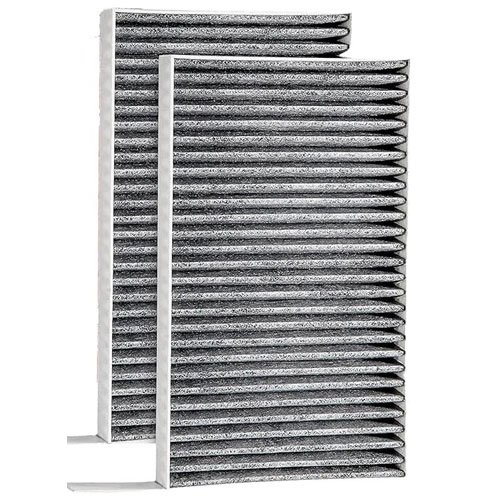
For standard cabin filters:
- You must remove trim panels and part of the glovebox.
- The work area is tight, and Tesla uses delicate fasteners that can break easily.
For HEPA filters (typically mounted under the front trunk):
- More disassembly is required, including removing trim, weather seals, and structural panels.
This is not your average filter replacement. Unless you’re a comfortable DIYer, it’s a good idea to let a shop that specializes in Tesla repair and maintenance handle the service.
Keep Your Tesla Air Fresh in Dallas–Fort Worth
If your Tesla A/C smells musty, feels stuffy, or hasn’t had a cabin air filter change in a while, it’s likely time. With DFW’s heavy traffic, hot climate, and urban air quality challenges, filter replacement is a key part of keeping your cabin fresh and your HVAC system performing its best.
At Patriot Express Tire & Oil, we’re one of the few independent auto repair shops in the DFW area servicing Teslas. From cabin air filters to mechanical repair, our team is ready to help you stay ahead of common issues—and breathe easier while doing it.
Frequently Asked Questions
1. How often should I replace my Tesla Model Y HEPA filter?
Most Tesla HEPA filters should be replaced every 2–3 years, depending on driving conditions, air quality, and mileage. In high-heat or high-pollen regions like North Texas, earlier replacement may be beneficial.
2. Does the 2025 Tesla Model 3 have a HEPA filter?
HEPA availability on the 2025 Model 3 depends on trim level and production updates. Some trims include upgraded filtration systems, while others use traditional cabin air filters. Checking your VIN or build sheet confirms configuration.
3. How much does Tesla HEPA filter replacement cost?
Replacement typically ranges between $150–$350 in the DFW area. Pricing depends on model type, labor complexity, and whether both HEPA and cabin filters are serviced together.
4. Can you replace a Tesla HEPA filter yourself?
DIY replacement is possible but can be complex, especially on HEPA-equipped models requiring trim removal and precise sealing. Professional installation reduces the risk of airflow leaks or system performance issues.
5. How do I know if my Tesla HEPA filter needs replacement?
Common signs include musty AC odors, reduced airflow, increased cabin dust, allergy irritation, or reduced Biohazard Mode effectiveness.