Tires are the only point of contact between your vehicle and the road, making their condition critical to safety, handling, and overall performance. Yet, a flat tire remains one of the most common and disruptive problems drivers face, often striking without warning and at the worst possible moment.
Whether caused by road debris, wear and tear, or sudden pressure loss, a damaged tire presents drivers with an immediate dilemma. Should it be repaired or replaced? Choosing the wrong option can compromise safety, increase costs, or cause further vehicle damage. Understanding flat tire prevention and repair tips helps drivers respond calmly, make informed decisions, and protect both their vehicle and passengers.
In this guide, we’ll break down the causes of flat tires, share practical flat tire prevention tips, and explain when flat tire repair is safe versus when replacement is the smarter choice.
What Are the Common Causes of Flat Tires?
Understanding the common causes of tire punctures can help drivers recognize potential problems before they result in a flat tire. Although sharp objects are a common reason for sudden air loss, several other factors can affect tire condition and performance.
Here are some common reasons why tires lose air or become damaged:
Nails, Screws, and Sharp Road Debris
Driving over nails, screws, broken glass, or other sharp objects can create punctures in the tire tread. Some objects cause immediate air loss, while others remain embedded and create a slow leak.
Incorrect Tire Pressure
Both underinflated and overinflated tires can affect vehicle handling and increase the risk of tire damage. Underinflation creates additional heat and stress inside the tire, particularly during extended driving.
Potholes and Road Hazards
Hitting potholes, curbs, or other road obstacles can damage the tire structure. Severe impacts may cause cuts, bulges, or sidewall damage that cannot be safely repaired.
Damaged Valve Stems or Wheel Seals
Air can escape through a damaged valve stem, loose valve core, corroded wheel, or poorly sealed tire bead. These problems often result in gradual pressure loss.
Worn or Aging Tires
Tires with insufficient tread depth, cracks, or deteriorating rubber may be more vulnerable to road damage and other tire-related problems.
Recognizing these issues early can help you take preventive action and reduce the chances of an unexpected flat tire.
7 Practical Tips for Flat Tire Prevention.
Preventing flat tires starts with regular inspections and good driving habits. Although not every puncture or tire failure can be avoided, proper maintenance can reduce common risks and help extend tire life.
Here are seven practical ways to prevent flat tires:
1. Check Tire Pressure Regularly
Maintaining the correct tire pressure helps reduce unnecessary stress and uneven wear. Check all four tires at least once a month and before long journeys. Always follow the recommended PSI listed on your vehicle’s tire information label or owner’s manual.
2. Inspect Tires for Visible Damage
Look for nails, screws, cuts, cracks, bulges, and unusual wear patterns. If you notice an embedded object or visible damage, have the tire inspected by a professional rather than attempting to remove or repair it yourself.
3. Monitor Tire Tread Depth
Tire tread provides the grip needed for proper traction. Check your tread regularly and replace tires when they reach the manufacturer’s replacement limits. In the United States, 2/32 of an inch is the minimum legal tread depth in many applications.
4. Rotate Tires at Recommended Intervals
Regular tire rotation helps distribute wear more evenly across all four tires. Follow the rotation schedule recommended by your vehicle manufacturer to help prevent premature or uneven tread wear.
5. Check Wheel Alignment
Poor wheel alignment can cause uneven tire wear and affect vehicle handling. If your vehicle pulls to one side or you notice unusual tread wear, arrange an alignment inspection.
6. Avoid Potholes and Road Debris
Whenever possible, avoid driving over potholes, sharp objects, and damaged road surfaces. If you hit a significant road hazard, inspect your tires for visible damage and have them checked if you notice vibrations or pressure loss.
7. Avoid Overloading Your Vehicle
Carrying more weight than your vehicle or tires are designed to support puts additional stress on the tires. Check your vehicle’s load capacity and tire specifications before transporting heavy cargo.
Following these tire maintenance habits can help you understand how to avoid flat tires and maintain better performance throughout the life of your tires.
What Should You Do If You Get a Flat Tire While Driving?
Getting a flat tire while driving can be stressful, especially on a busy road or highway. Knowing what to do if you have a flat tire can help you respond safely and reduce the risk of further vehicle damage.
Follow these steps if you experience a flat tire:
- Recognize the Warning Signs
You may notice unusual vibrations, steering difficulties, a thumping sound, or a sudden change in vehicle handling. Your Tire Pressure Monitoring System (TPMS) may also display a warning when tire pressure drops significantly.
- Slow Down Gradually
Avoid sudden braking, sharp turns, or aggressive steering. Reduce your speed gradually while maintaining control of the vehicle.
- Move to a Safe Location
If possible, move away from moving traffic and stop on a level, stable surface. Turn on your hazard lights to alert other drivers.
- Assess the Situation
Once safely parked, inspect the tire from a safe position. Look for visible punctures, cuts, or other damage. Do not attempt to inspect a tire while standing in an unsafe roadside location.
- Use a Spare Tire or Contact Roadside Assistance
If you have the appropriate spare tire, tools, and a safe location, follow your vehicle manufacturer’s instructions for changing it. Otherwise, contact roadside assistance or a professional tire service.
- Avoid Driving on a Flat Tire
Even driving a short distance on a flat tire can damage its internal structure and wheel. Have the tire professionally inspected before returning to the road.
Taking these precautions can help protect you and your passengers while preventing additional damage to your vehicle.
When Can a Flat Tire Be Safely Repaired?
Not every flat tire needs to be replaced. In some situations, professional flat tire repair can restore the tire’s functionality and help drivers avoid unnecessary replacement costs. However, repair eligibility depends on the location and size of the damage, as well as the overall condition of the tire.
A tire may be suitable for repair when:
- The puncture is located within the repairable central tread area.
- The puncture is no larger than 1/4 inch (6 mm), subject to applicable repair guidelines.
- The tire has not suffered significant internal damage.
- The tire has sufficient remaining tread and meets the manufacturer’s repair requirements.
However, some types of damage make a tire unsafe to repair.
When Is Tire Repair Not Recommended?
- Sidewall damage: Punctures, cuts, or structural damage to the sidewall generally require tire replacement.
- Large punctures: Damage exceeding the permitted repair size may compromise tire strength.
- Shoulder damage: Punctures near the tire shoulder are generally outside the approved repair area.
- Internal damage: Driving on a flat or severely underinflated tire can damage its internal structure.
- Multiple or overlapping repairs: Damage in multiple areas may make a tire unsuitable for repair.
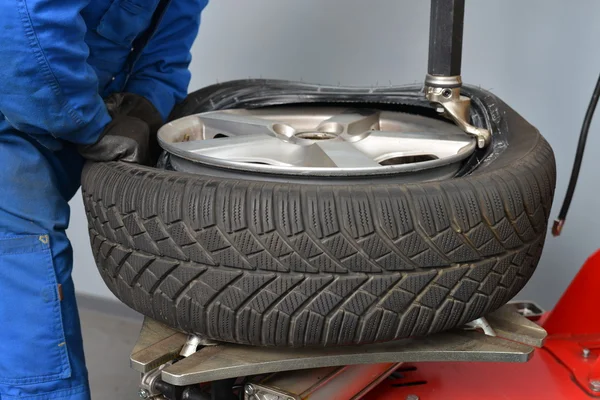
A proper permanent tire puncture repair requires removing the tire from the wheel and inspecting its interior. Industry procedures generally require a combination repair that fills the puncture and seals the inner liner.
If you notice a puncture, avoid attempting a permanent DIY repair. Have a qualified tire technician inspect the damage and determine whether repair is safe.
Keep Your Spare Tire and Emergency Kit Ready
Even with regular maintenance, a flat tire can still happen unexpectedly. Keeping a spare tire and basic emergency equipment in your vehicle can help you handle certain roadside situations more confidently.
Before travelling, check that your spare tire is properly inflated and free from visible damage. Also, make sure you have the necessary equipment, including a compatible jack, lug wrench, and your vehicle’s owner’s manual.
Some vehicles come with temporary spare tires, which may have specific speed and distance restrictions. Always follow the manufacturer’s instructions when using one.
If your vehicle does not have a spare tire, check whether it includes a tire mobility kit with an inflator or sealant. These products are generally intended as temporary solutions and may not be suitable for every type of tire damage.
Regular spare tire maintenance ensures that your backup equipment is ready when you need it.
Conclusion
A flat tire is more than a minor inconvenience. It is a safety issue that demands informed action. Understanding flat tire prevention and repair tips helps drivers minimize risks, avoid costly mistakes, and extend tire lifespan.
From regular inspections and pressure checks to knowing when a repair is safe, proactive care makes a measurable difference. If you are ever unsure, expert evaluation is essential.
Are your tires troubling you? Schedule a tire inspection with Patriot Express today to receive accurate guidance, dependable repairs, and peace of mind on every drive. Read more about tire services in Plano today!
Frequently Asked Questions
How do you prevent flat tires?
You can prevent flat tires by maintaining proper tire pressure, rotating tires regularly, avoiding road hazards, inspecting tread wear, and addressing small punctures before they worsen.
Does filling nitrogen in tires really help?
Nitrogen maintains tire pressure longer than regular air and reduces temperature-related pressure changes, which can support tire longevity and help with consistent performance.
What is a flat spot, and how can it be prevented?
A flat spot occurs when a tire sits stationary for too long or experiences uneven wear. Regular driving, proper inflation, and timely rotations can help prevent flat spots.
How do you deal with a flat tire?
To deal with a flat tire, you must safely pull over, avoid driving further, assess visible damage, and install a spare if possible. In case the things are serious, get the tire professionally inspected to determine repair or replacement.
How do you prevent flat spots on tires?
Prevent flat spots by maintaining correct tire pressure, moving vehicles periodically, avoiding extended parking on uneven surfaces, and rotating tires at recommended intervals.
Can you drive on a flat tire?
Driving on a flat tire is unsafe. Even short distances can damage the wheel and tire structure, increasing repair costs and risking loss of vehicle control.