Catalytic converter theft has become one of the fastest-growing vehicle crimes today. What makes it especially alarming is how quickly it happens. In many cases, a thief can remove the part in under two minutes. A vehicle owner walks away for a short errand and returns to find a loud, damaged car that can no longer operate safely.
The financial impact is significant. Replacing a stolen catalytic converter can cost hundreds or even thousands of dollars, depending on the vehicle. Beyond the expense, theft affects vehicle performance, fuel efficiency, and emissions compliance. Driving without a functioning converter can cause long-term damage and legal issues in States with emissions testing.
As concerns rise nationwide, one fact is clear: catalytic converter theft prevention is far less expensive than replacing a damaged exhaust system. So, proactive protection is no longer optional; it is essential today.
What Is a Catalytic Converter and Why Is It Targeted?
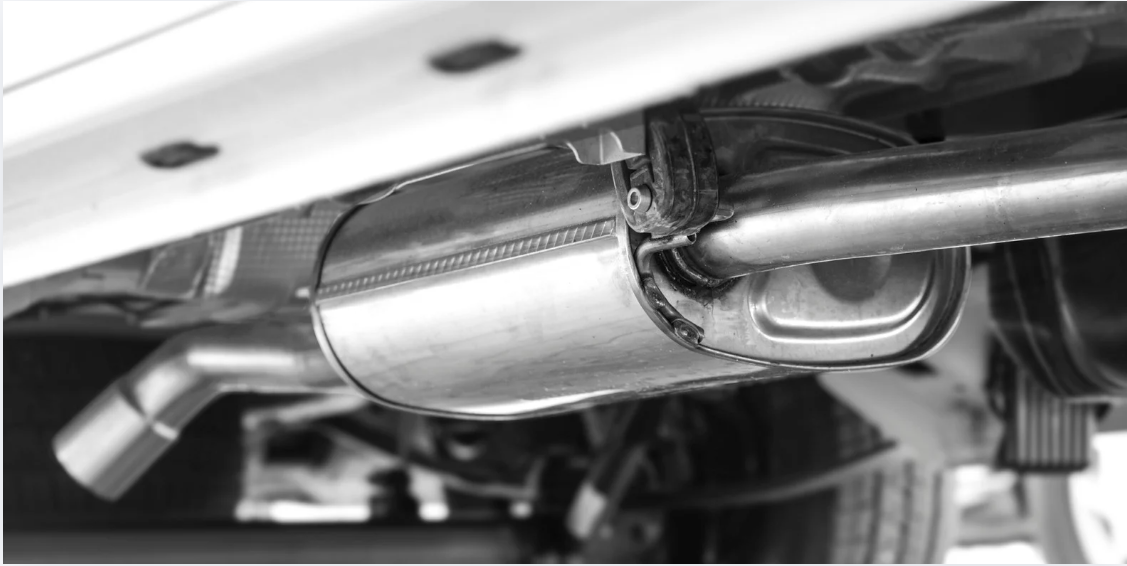
A catalytic converter is a critical part of your vehicle’s exhaust system. Its job is to convert harmful gases from the engine into less harmful emissions before they exit the tailpipe. This helps reduce air pollution and ensures your vehicle meets environmental regulations.
So why is catalytic converter theft so common?
The answer lies inside the component itself. Catalytic converters contain precious metals such as platinum, palladium, and rhodium. These metals have high resale value, making the part attractive to thieves. The component is also relatively easy to access, especially on vehicles with higher ground clearance.
As converters are not individually traceable once removed, resale markets make it difficult to track stolen parts. So, it is this combination of value and accessibility that fuels ongoing theft.
Why Catalytic Converter Theft Is Increasing?
Several factors contribute to the rise in catalytic converter theft:
- Rising precious metal prices
- Quick and simple removal process
- Limited identification tracking
- Strong demand for used converters
As metal values fluctuate, stolen converters can bring significant profit. Unfortunately, this leaves vehicle owners facing the steep cost of catalytic converter replacement.
This increase is not limited to one region. It is a widespread issue affecting urban, suburban, and even rural areas.
Vehicles Most at Risk for Catalytic Converter Theft
Certain vehicles are more vulnerable due to design and component value. Vehicles with higher ground clearance are easier to access without jacking up the car. This makes SUVs, vans, and trucks attractive targets. Hybrid vehicles are also frequently targeted because their converters often contain higher concentrations of precious metals.
Popular Cars Targeted by Thieves
When discussing catalytic converter theft popular cars, several models are frequently mentioned.
- The catalytic converter theft Prius cases have gained attention due to their hybrid design.
- Similarly, catalytic converter theft Toyota models, particularly hybrid and SUV variants are clear target and is often at higher risk.
That does not mean other vehicles are immune. Any car with accessible exhaust components can be targeted.
Signs Your Catalytic Converter Has Been Stolen
Recognizing a stolen catalytic converter quickly can prevent further damage.
Common warning signs include:
- Extremely loud exhaust noise upon starting the vehicle
- Rattling sounds underneath the car
- Illuminated check engine light
- Reduced engine performance
If you notice these symptoms, immediate inspection is essential. Driving without a catalytic converter can damage oxygen sensors and other exhaust components of your car.
Cost of Replacing a Stolen Catalytic Converter
The cost of catalytic converter replacement varies based on vehicle make, model, and labor requirements. Luxury vehicles and hybrids typically have higher replacement costs due to specialized parts.
Expenses include:
- Replacement part
- Labor cost for part installation
- Possible sensor or exhaust repairs
The new catalytic converter price depends on material content and emission standards. In some cases, insurance may cover the loss if comprehensive coverage is included. However, deductibles still apply.
Overall, preventive measures often cost significantly less than replacing a converter after theft.
How to Prevent Catalytic Converter Theft?
Effective catalytic converter theft prevention begins with layered protection. No single solution guarantees complete security, but combining methods significantly reduces risk.
Catalytic Converter Locks and Shields
Installing a catalytic converter lock, catalytic converter guard, or catalytic converter shield creates a physical barrier. These devices make removal more difficult and time-consuming, discouraging thieves who seek quick targets.
Some catalytic converter covers fully enclose the component, while others use reinforced plates or cables. Professional installation ensures proper fit and maximum protection.
Smart Parking and Visibility Strategies
Parking in well-lit areas reduces risk. Whenever possible, use a garage to park your vehicle. Additionally, position your vehicle close to walls or other cars to limit underside access.
These simple steps enhance catalytic converter theft prevention without additional equipment.
Alarm Systems and Marking Methods
Aftermarket alarms with vibration sensors can alert owners if tampering occurs. Engraving the VIN on the converter or applying bright identification markings may deter resale.
In this way, layering protective measures is the most effective approach in keeping your vehicles safe.
Best Catalytic Converter Theft Prevention Devices
Protection devices generally fall into four categories:
- Shields
- Guards
- Locking systems
- Comprehensive prevention kits
A properly installed catalytic converter guard or catalytic converter shield makes it extremely difficult for thieves to remove the part, thus enhancing vehicle safety. On the other hand, locking systems secure the component with reinforced hardware, which adds an extra layer of security to the component.
While do-it-yourself kits exist for enhanced protection, professional installation ensures compatibility with your exhaust system and avoids interference with vehicle performance.
So, when evaluating options, remember that strong catalytic converter theft prevention measures are an investment that protects you from the high cost of catalytic converter replacement.
Conclusion
Catalytic converter theft is fast, costly, and increasingly common. A single incident can result in expensive repairs, emissions issues, and significant inconvenience.
So, the smartest approach is prevention. Installing either a catalytic converter lock, catalytic converter guard, or catalytic converter shield, combined with smart parking habits, can dramatically lower the risk of theft.
If you want to protect your vehicle from becoming another statistic, schedule an exhaust inspection or theft protection consultation at Patriot Express Tire & Oil today. Proactive protection today prevents costly repairs tomorrow.
Frequently Asked Questions
1. How can I protect my car from catalytic converter theft?
Here are some of the best ways to protect your car from a converter theft:
- Install a catalytic converter shield or catalytic converter lock for robust protection
- Park your vehicle in secure, well-lit areas
- Add motion alarms to your vehicle for improved theft prevention.
2. What are the most effective anti-theft devices for catalytic converters?
Physical barriers such as a catalytic converter guard, shields or reinforced locking systems are among the most effective anti-theft solutions.
3. Where can I get a catalytic converter shield installed?
Professional auto repair shops like Patriot Express Auto can install a properly fitted catalytic converter shield to protect your vehicles against theft.
4. Where can I buy a catalytic converter lock or shield?
You can purchase catalytic converter covers, shields, or locking systems through auto service providers or specialized retailers, but professional installation is always recommended in these cases.
5. What are the signs that my catalytic converter has been stolen?
A loud exhaust, rattling sounds, the check engine light, and reduced performance often indicate a stolen catalytic converter.
6. Will insurance pay to replace a stolen catalytic converter?
If you carry comprehensive coverage, only then will the insurance help cover the cost of catalytic converter replacement, but that too is subject to your deductible.