A tire blowout is one of the most sudden and potentially dangerous situations a driver can face on the road. It happens when a tire bursts or rapidly loses air pressure, often causing the vehicle to swerve or shake violently. In those few seconds, how you react can make all the difference between regaining control and facing a serious accident.
The key is simple: stay calm, stay steady, and respond correctly. Many drivers panic during a blowout, instinctively slamming on the brakes or jerking the steering wheel, which can cause the vehicle to spin out of control. Knowing how to handle a tire blowout safely helps you protect yourself, your passengers, and others on the road.
This guide shares essential steps to follow during a blowout, explains what causes a tire blowout, and offers practical ways to prevent it from happening again.
What Causes Tire Blowouts?
A tire blowout occurs when the structural integrity of the tire fails, leading to a rapid loss of air pressure. Several factors contribute to this, and most can be avoided with proper maintenance and awareness.
1. Underinflation
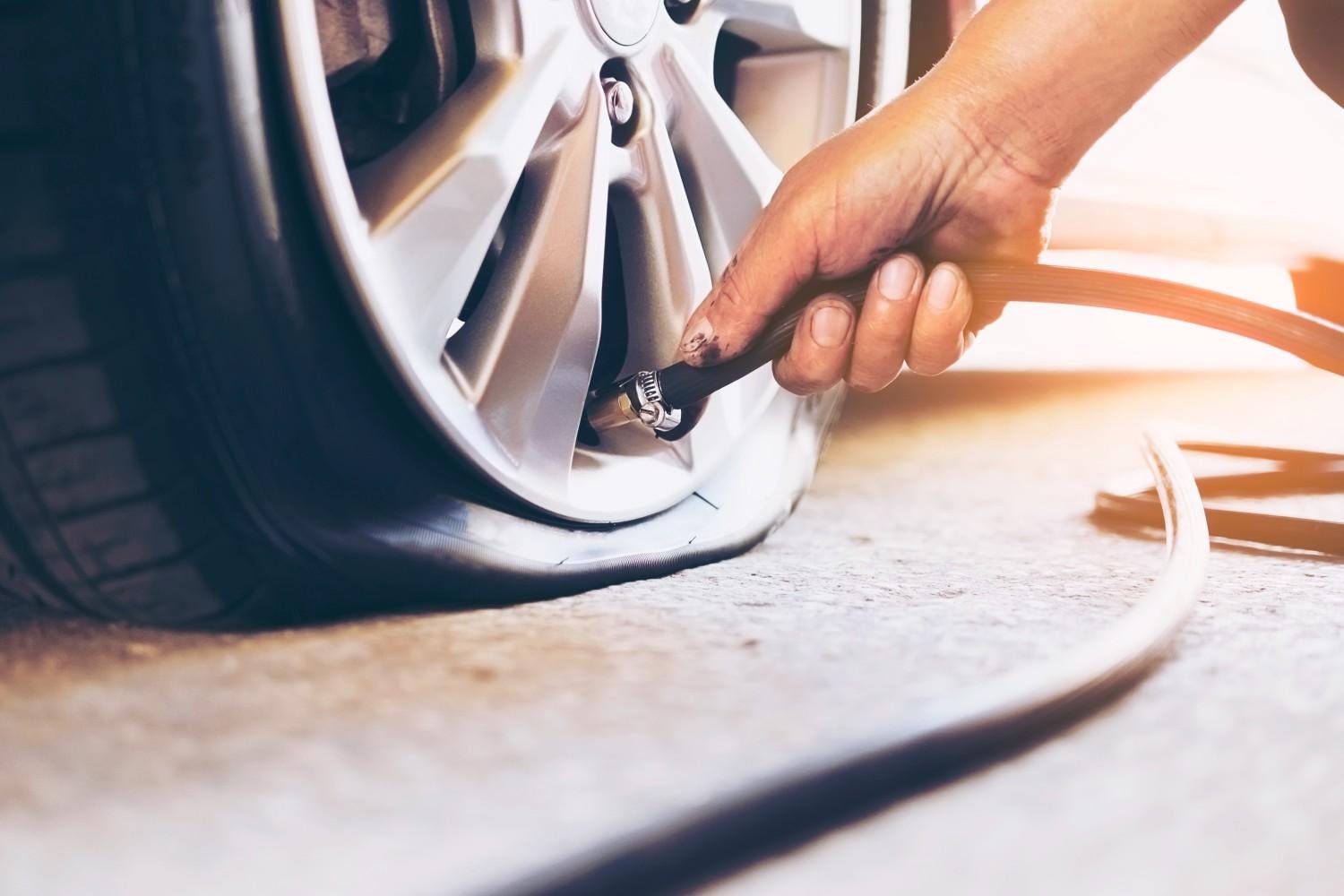
Low tire pressure is one of the most common tire blowout causes. When a tire is underinflated, more of its surface area touches the road, generating excessive friction and heat. Over time, this weakens the rubber and can lead to a sudden rupture.
2. Overloading the Vehicle
Every vehicle has a weight limit, and exceeding it puts unnecessary stress on the tires. When overloaded, the tires flex more than they should, causing heat buildup and increasing the risk of a tire blowout.
3. Worn-Out or Aged Tires
Old or heavily worn tires are more prone to blowouts. Cracks, thin tread, or visible damage weaken the tire’s internal structure, making it less capable of handling road impact or heat.
4. Road Hazards and Debris
Sharp objects, potholes, and debris on the road can puncture or damage your tires. Even a small cut can lead to a repair tire blowout situation if ignored.
5. High Speeds and Heat
Driving at high speeds for long periods increases the temperature of your tires. Combined with poor maintenance, it can create the perfect storm for a blowout.
Understanding what causes a tire blowout helps drivers take the right preventive steps before hitting the road.
What To Do If You Have a Blowout?
A tire blowout can happen suddenly, but the way you respond determines your safety. The most important rule is to avoid panic. When you stay composed, you can regain control smoothly and avoid further damage.
Here’s how to handle it safely:
1. Keep a Firm Grip on the Steering Wheel
Your first instinct should be to hold the steering wheel steady. This helps maintain control as the car may pull toward the side of the damaged tire.
2. Do Not Slam the Brakes
Braking suddenly can cause the car to lose balance or skid. Instead, take your foot off the accelerator gradually and allow the vehicle to slow down naturally.
3. Steer Smoothly Toward the Shoulder
Once the car slows, gently guide it toward the right shoulder or a safe area away from traffic. Keep the steering smooth and controlled.
4. Turn on Your Hazard Lights
Alert other drivers by switching on your hazard lights. This helps prevent additional accidents, especially on highways.
5. Stay Inside the Vehicle if It’s Unsafe to Exit
If you’re on a busy road or highway, it’s safer to remain inside your car and call for professional help. Only exit if you’re in a secure location.
If you experience a blowout and don’t have an extra tire, it’s essential to have the damage assessed by professionals. In this regard, you can contact Patriot Express for expert tire blowout damage repair and inspection to ensure your vehicle is safe to drive again.
How Do I Prevent a Tire Blowout?
While not all blowouts are avoidable, you can significantly reduce the risk through consistent maintenance and care. Here are the most effective preventive measures:
1. Maintain Proper Tire Pressure
Check your tire pressure at least once a month and before long trips. Always follow the manufacturer’s recommended PSI levels.
2. Inspect Tires Regularly
Look for cracks, bulges, or uneven wear patterns. Replace tires that show signs of deterioration.
3. Avoid Overloading Your Vehicle
Stick to your car’s weight limit to prevent excessive pressure on your tires.
4. Rotate Tires Regularly
Routine tire rotation helps distribute wear evenly and prolongs tire life.
5. Drive Cautiously on Rough Roads
Avoid potholes and road debris whenever possible. Even minor punctures can weaken a tire over time.
Following these steps can drastically reduce your risk of experiencing a tire blowout and ensure your safety on the road.
Conclusion
A tire blowout can be a frightening experience, but with the right knowledge and calm reaction, it can be handled safely. By understanding your tire blowout causes, recognizing the signs, and maintaining your tires properly, you can prevent most emergencies before they happen.
If your vehicle experiences a blowout or you suspect a tire damage, don’t take a chance. Schedule an inspection with Patriot Express Tire & Oil today. Our professionals specialize in tire blowout damage repair and can help restore your vehicle’s safety and performance, keeping you safe on every drive.
Frequently Asked Questions
1. How to Handle a Tire Blowout Safely?
Keep a firm grip on the steering wheel, ease off the accelerator, and steer toward the side of the road slowly. Avoid braking suddenly.
2. What is the Most Common Cause of Tire Blowouts?
Underinflation and worn-out tires are the leading causes, as they generate excess heat and pressure.
3. Can You Drive on a Blowout Tire?
No. Driving on a blown tire is extremely dangerous and can damage your rims and suspension. Pull over immediately.
4. Should You Brake Immediately if a Tire Blows Out?
No. Sudden braking can cause loss of control. Gradually slow down and steer to safety.
5. How to Survive a Tire Blowout?
Stay calm, maintain control of the vehicle, avoid braking, steer carefully, and call for professional help once stopped.