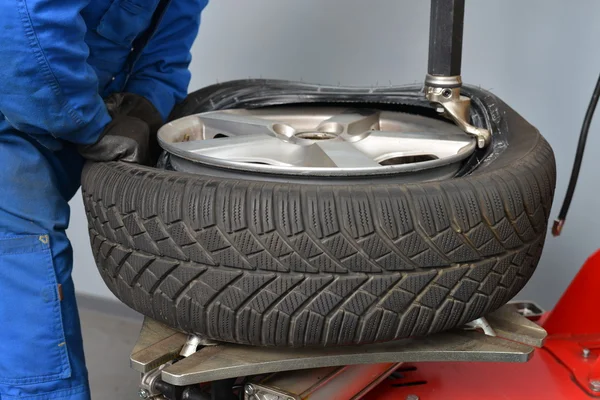
Tires are the only point of contact between your vehicle and the road, making their condition critical to safety, handling, and overall performance. Yet, a flat tire remains one of the most common and disruptive problems drivers face, often striking without warning and at the worst possible moment.
Whether caused by road debris, wear and tear, or sudden pressure loss, a damaged tire presents drivers with an immediate dilemma. Should it be repaired or replaced? Choosing the wrong option can compromise safety, increase costs, or cause further vehicle damage. Understanding flat tire prevention and repair tips helps drivers respond calmly, make informed decisions, and protect both their vehicle and passengers.
In this guide, we’ll break down the causes of flat tires, share practical flat tire prevention tips, and explain when flat tire repair is safe versus when replacement is the smarter choice.
What Causes a Flat Tire?
Before diving into prevention and repair, it’s important to understand why flat tires occur in the first place. A flat tire happens when air escapes faster than it can be retained, leaving the tire unable to support the vehicle’s weight.
Common causes of flat tires include:
- Punctures from nails, screws, or sharp debris commonly found on roads and construction zones.
- Slow leaks can also develop from damaged valve stems, corroded rims, or poorly sealed tire beads.
- Over time, general wear and aging weaken the tire structure, increasing vulnerability.
- Underinflation is another frequent culprit. Driving with low tire pressure causes excess heat buildup, weakening internal components and making blowouts more likely.
- Additionally, impact damage from potholes or curbs can lead to sidewall failure, which cannot be safely repaired.
Understanding these risks is the first step toward preventing and treating a flat tire effectively.
Essential Tips to Prevent Flat Tire and Ensure Safety
Consistent maintenance is the foundation of effective flat tire prevention tips. Simple habits can significantly reduce the likelihood of unexpected tire failure and extend overall tire life. Here’s how you can effectively prevent flat tyres, ensuring safety on roads:
- Regularly checking tire pressure is essential. Proper inflation ensures even tread wear, better fuel efficiency, and reduced stress on tire components.
- Inspect tires visually for embedded objects, cracks, bulges, or uneven wear patterns that may signal developing issues.
- Rotating tires at recommended intervals helps distribute wear evenly and minimizes the risk of weak spots.
- Alignment checks are equally important, as misaligned wheels can cause premature tread wear and increase the chance of flats.
- Avoid overloading your vehicle, as excess weight puts unnecessary strain on tires.
- Lastly, mindful driving matters. Slowing down over rough roads and avoiding debris whenever possible goes a long way toward preventing and treating a flat tire, thus improving safety.
When is it Safe to Repair Your Tire?
Not all flat tires require replacement. In many cases, flat tire repair is safe, effective, and cost-efficient when performed correctly. The key factor is damage location and severity.
Repairs are generally safe if the puncture is small and located in the tread area. Nails or screws that create holes less than a quarter inch in diameter can often be patched or plugged by a professional technician. The tire must not have been driven extensively while flat, as internal damage may already be present.
However, sidewall damage, large punctures, or multiple compromised areas mean replacement is the only safe option. If you notice a flat spot on tire causing vibration, it often indicates internal damage or uneven wear that repair cannot fix.
A professional inspection ensures the tire’s structural integrity and prevents unsafe repairs that could fail at highway speeds.
Conclusion
A flat tire is more than a minor inconvenience. It is a safety issue that demands informed action. Understanding flat tire prevention and repair tips helps drivers minimize risks, avoid costly mistakes, and extend tire lifespan.
From regular inspections and pressure checks to knowing when a repair is safe, proactive care makes a measurable difference. If you are ever unsure, expert evaluation is essential.
Are your tires troubling you? Schedule a tire inspection with Patriot Express today to receive accurate guidance, dependable repairs, and peace of mind on every drive. Read more about tire services in Plano today!
Frequently Asked Questions
1. How do you prevent flat tires?
You can prevent flat tires by maintaining proper tire pressure, rotating tires regularly, avoiding road hazards, inspecting tread wear, and addressing small punctures before they worsen.
2. Does filling nitrogen in tires really help?
Nitrogen maintains tire pressure longer than regular air and reduces temperature-related pressure changes, which can support tire longevity and help with consistent performance.
3. What is a flat spot, and how can it be prevented?
A flat spot occurs when a tire sits stationary for too long or experiences uneven wear. Regular driving, proper inflation, and timely rotations can help prevent flat spots.
4. How do you deal with a flat tire?
To deal with a flat tire, you must safely pull over, avoid driving further, assess visible damage, and install a spare if possible. In case the things are serious, get the tire professionally inspected to determine repair or replacement.
5. How do you prevent flat spots on tires?
Prevent flat spots by maintaining correct tire pressure, moving vehicles periodically, avoiding extended parking on uneven surfaces, and rotating tires at recommended intervals.
6. Can you drive on a flat tire?
Driving on a flat tire is unsafe. Even short distances can damage the wheel and tire structure, increasing repair costs and risking loss of vehicle control.